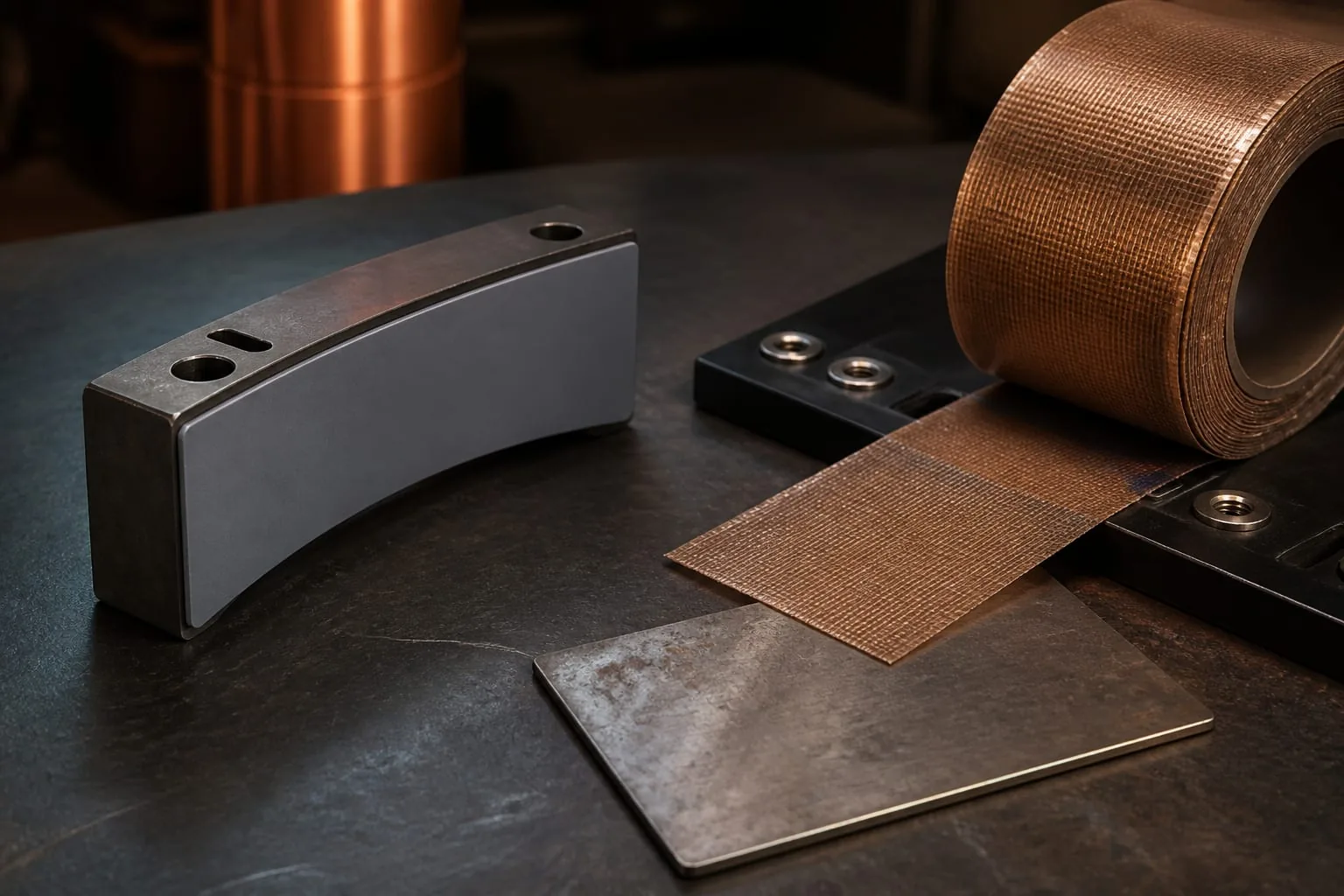
PTFE protection is a small part of a heat-sealing assembly, but it has a direct effect on release, cleanliness and routine maintenance. A suitable surface helps hot film leave the jaw or bar cleanly. A worn, damaged or poorly fitted surface can instead encourage sticking, creasing and contamination.
The first decision is whether the component needs a workshop-applied coating or a replaceable tape. They are related solutions, but they are not interchangeable. This guide explains the difference, the information a supplier needs and the checks to make before a coated part or tape goes back into production.
What PTFE protection does on a heat-sealing surface
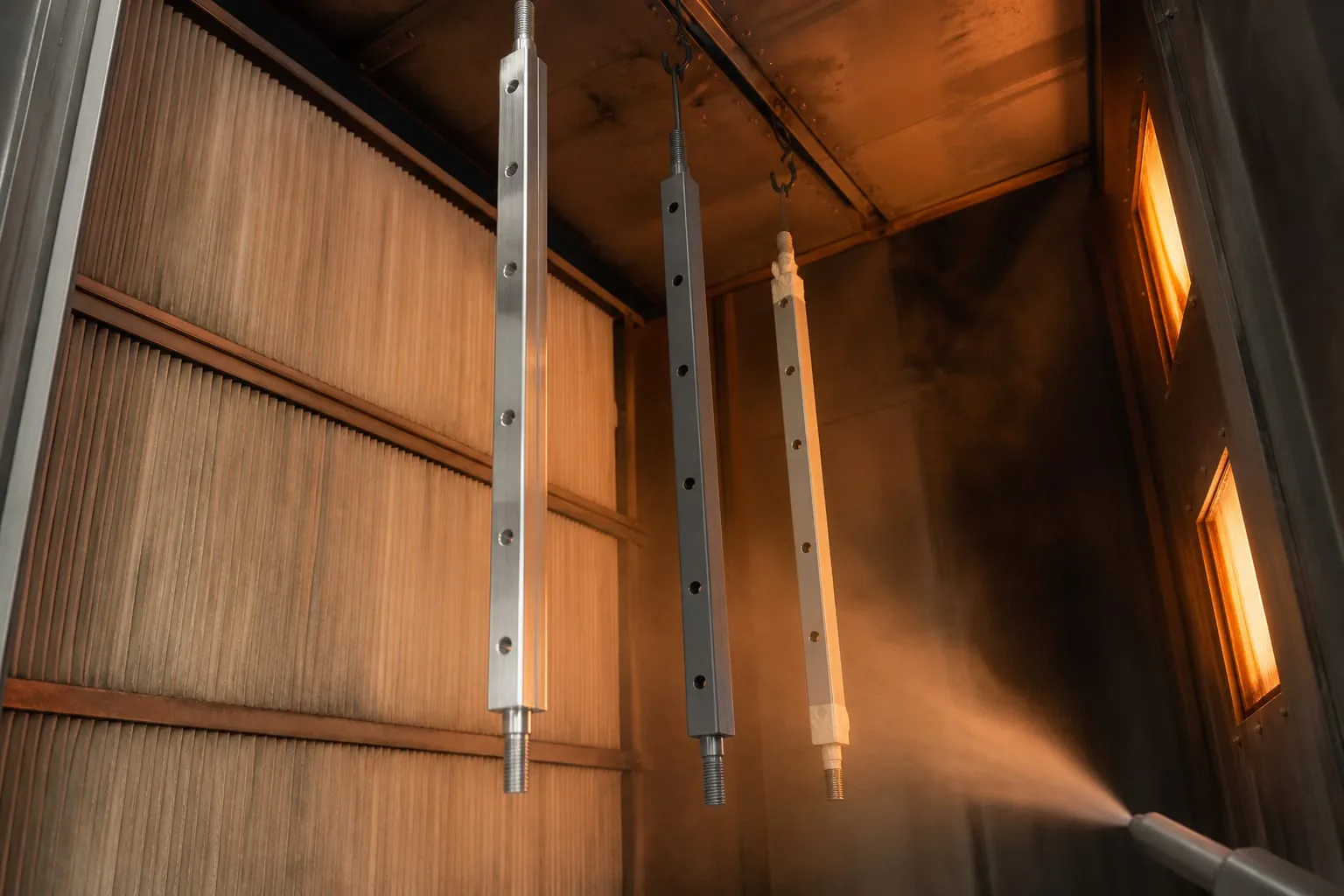
PTFE is used because it can provide a non-stick, low-friction surface and resist many chemicals and elevated temperatures. Chemours’ overview of PTFE describes non-stick behaviour, lubricity, chemical resistance and heat resistance as characteristic properties of the material.
On packaging equipment, that surface sits between the hot working component and the film. It can reduce the tendency for molten film, adhesive or residue to remain on the sealing face. It may also make the surface easier to clean. The protection does not create a good seal by itself, however. Element condition, temperature, dwell time, pressure, alignment and the packaging material still need to be correct.
Heat Seal Components provides an industrial PTFE coating service for suitable components and supplies replaceable tape for sealing applications. The right option depends on the part, its geometry, how often the surface is serviced and what the machine manufacturer specifies.
PTFE coating and heat-seal tape solve different jobs
When a coating is the better starting point
A coating is applied directly to a prepared component and cured as a continuous surface. It is normally considered when the jaw, bar, band or other metal part is intended to have a durable release face and can be removed for specialist preparation and coating.
The applicator needs to know the substrate, working face, areas that must remain uncoated and the service conditions. Holes, electrical contacts, threaded sections and locating faces may need masking. Sending a drawing or the old part reduces the risk of coating the wrong area.
When replaceable tape is the better starting point
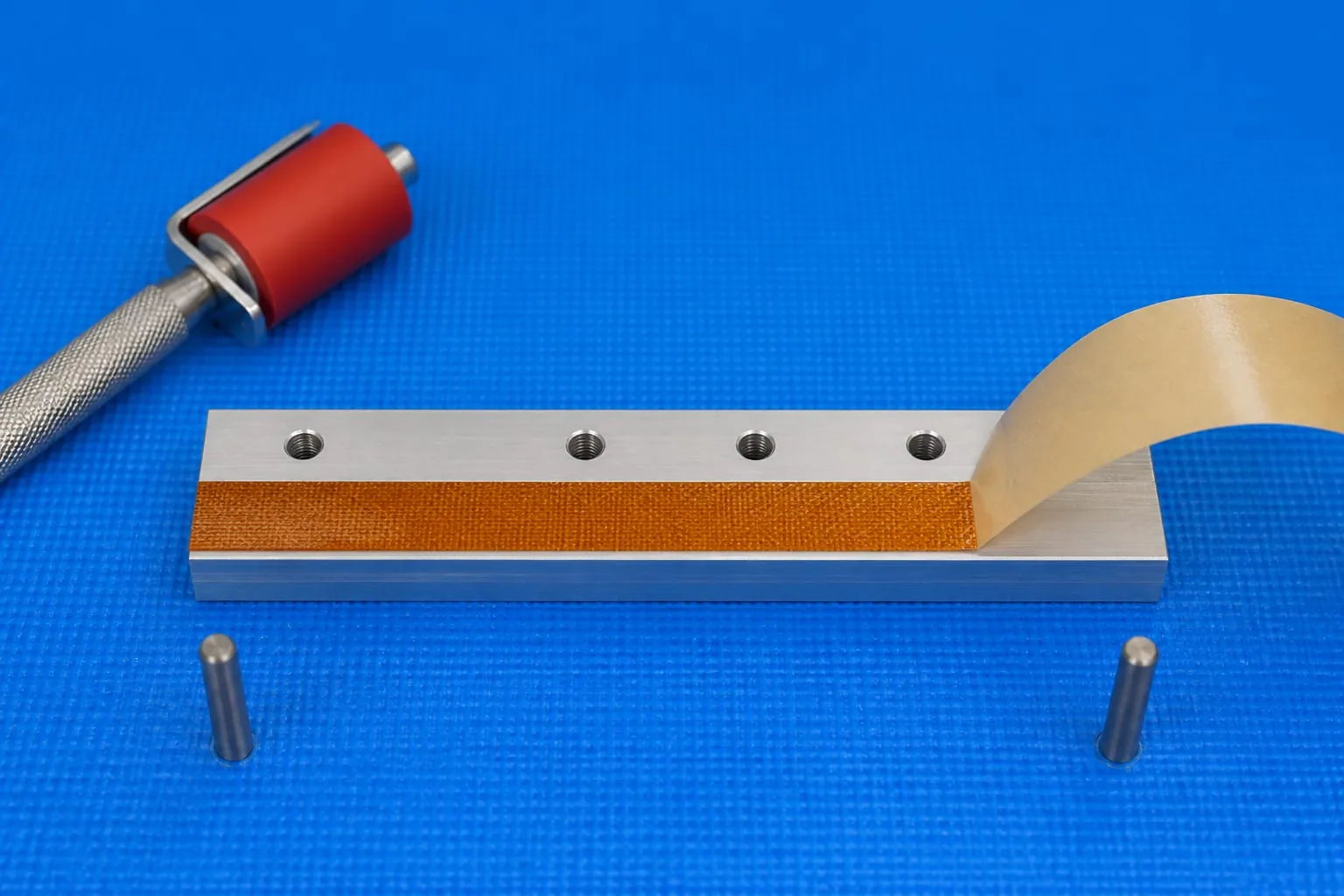
Tape uses a PTFE surface with a carrier and adhesive system. It is fitted to a clean sealing bar or jaw and can be replaced during planned maintenance. This can suit impulse and vacuum sealing bars where the equipment is designed around a removable cover tape.
The backing matters. For example, 3M’s technical information for PTFE glass-cloth tape explains that its reinforced glass-cloth carrier improves resistance to tears and punctures compared with a typical PTFE film backing. That does not make one tape correct for every sealer. Width, total thickness, adhesive, carrier, temperature rating and the machine maker’s instructions still need to match the duty.
Heat Seal Components’ PTFE heat-seal tape range is intended for sealing and packaging applications. It should not be confused with plumbing thread-seal tape, raw PTFE sheet or a liquid coating applied on site.
How to choose between coating and tape
Start with the design already used by the machine or component. If the original jaw has a bonded or cured non-stick face, recoating may preserve the intended geometry. If the seal bar uses a removable cover strip, replacing it with the correct tape is usually the relevant maintenance route.
Coating is often worth discussing when the metal part remains sound but its release surface has worn. Tape is often worth discussing when rapid, repeatable replacement is part of the maintenance plan. Some assemblies use both coated components and separate cover tapes in different positions, so do not assume that one material should replace every non-stick surface.
If the machine drawing, parts list or service manual identifies a particular construction, follow it. Where records are missing, send clear photographs and dimensions of the existing arrangement before removing anything that could help identify the original specification.
Specification checklist for a reliable quote
A machine name alone is rarely enough. Record the information below before requesting a replacement, recoating or tape. Unknown details should be marked as unknown rather than guessed.
| Specification field | What to record |
|---|---|
| Part and machine | Machine make and model, part reference, position and clear photographs |
| Duty | Impulse or continuous operation, packaging material, seal width and cleaning routine |
| Geometry | Length, width, thickness or profile, holes, cut-outs and working face |
| Electrical details | For a heated part: supply, resistance or power data and terminal arrangement, if known |
| Surface option | Existing coating or tape, covered face and all areas that must stay uncoated |
| Tape details | Width, carrier or backing, adhesive, total thickness and product reference, if known |
| Coating details | Substrate, existing finish, wear pattern and service conditions |
| Acceptance check | Fit, alignment, release behaviour and controlled seal-quality trial |
For sealing jaws and bars, photographs should show the complete component, the working face, mounting points and any damaged areas. Include a scale in the photograph only when it cannot obscure the part. If an old tape is still fitted, note its width and where its edges sit rather than relying on colour as identification.
Installation and maintenance checks
Make the equipment safe first
Maintenance should be completed by competent people using the machine manufacturer’s procedure. HSE’s maintenance guidance says plant should be made safe before work starts, with moving plant stopped, power supplies isolated where required, accidental reconnection prevented and hot components allowed to cool. Your site risk assessment and lock-off procedure take priority over a general article.
For a coated component
- Inspect the full coated face under good light before fitting. Look for chips, thin areas, contamination or masking errors.
- Keep mounting and locating faces clean so the component sits in its intended position.
- Do not scrape or sand the working surface unless the coating supplier and machine instructions allow it.
- Run the machine maker’s controlled start-up and seal-quality checks after installation.
For heat-seal tape
- Remove the old material using the approved method and clean the bar without damaging its face.
- Apply the specified width in a straight, smooth run. Avoid wrinkles, trapped debris and unintended overlaps.
- Keep fixing holes, sensors, electrical connections and moving clearances open.
- Check the tape after the first controlled heat cycles because poor adhesion or misalignment may become visible as the assembly warms.
Signs that the PTFE surface needs attention
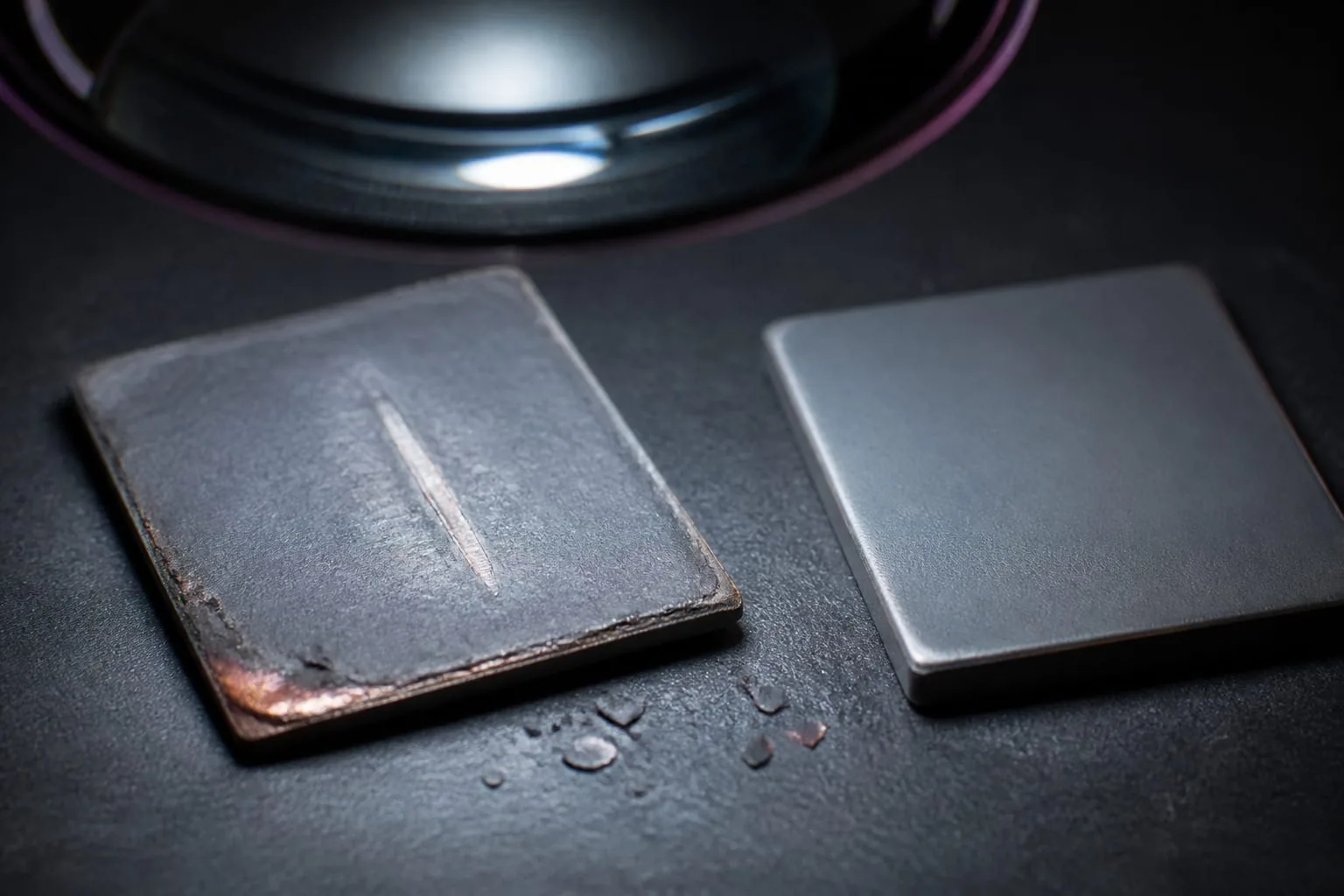
A surface should be inspected before it fails across the full seal length. Useful warning signs include:
- film or residue beginning to pick up on one part of the jaw or bar;
- a tape edge lifting, bubbling, wrinkling or moving from its original position;
- scoring, cuts, exposed metal, flaking or a polished wear path on a coated face;
- local discolouration or repeated contamination in the same place;
- a change in release behaviour after cleaning or a product change.
These symptoms do not prove that the PTFE surface is the only fault. Check the element, controller, sensor, pressure, dwell time, alignment and film specification as part of the same investigation. Replacing tape repeatedly without correcting a sharp edge, hot spot or misaligned bar can hide the real cause and shorten the life of the next cover.
Common specification mistakes
- Ordering only by machine brand and model without identifying the exact bar, jaw or position.
- Choosing tape by colour. Similar-looking products can have different carriers, adhesives and thicknesses.
- Assuming every PTFE system has the same temperature, chemical or wear limits.
- Leaving out masked areas, holes, terminals or locating faces from a coating drawing.
- Copying a damaged dimension from an old tape instead of checking the underlying component.
- Treating a release-surface problem as proof that the whole machine, jaw casting or heated assembly must be replaced.
What to send Heat Seal Components
For a coating enquiry, send the component material if known, overall dimensions, the working face, masked areas, photographs and a description of the process conditions. For tape, send the required width, current construction or product reference, photographs of the bar and the machine make and model.
The team can also review related custom heating elements where a coated or taped sealing surface is part of a larger heat-sealing assembly. Heat Seal Components supplies components and coating work; it does not sell the complete sealing machine or general packaging materials.
If the specification is incomplete, send the part details and photographs. It is better to confirm an unknown measurement or material before production than to make a replacement fit by assumption.